Program
Preliminary program
WIAC 2027 Preliminary program
Program will be published later.

Keynote Speakers
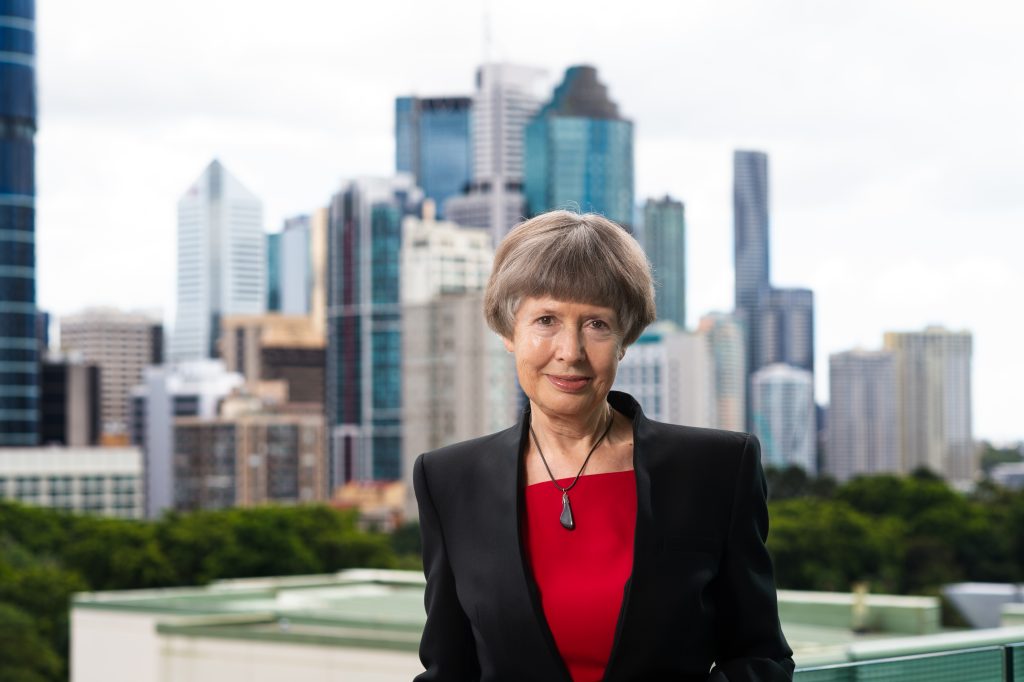
Lidia Morawska
Lidia Morawska PHD, FAA, FRSB, AAAS IHM, FTSE is a Distinguished Professor and Australian Laureate Fellow at the Queensland University of Technology; Director of the International Laboratory for Air Quality and Health, a WHO Collaborating Centre; Centre Director of the ARC Training Centre for Advanced Building Systems Against Airborne Infection Transmission (THRIVE); a Vice-Chancellor Fellow of the Global Centre for Clean Air Research (GCARE), University of Surrey; and an Adjunct Professor at the Jinan University, China. She conducts fundamental and applied research in the interdisciplinary field of air quality and its impact on human health and the environment, with a specific focus on science of airborne particulate matter. She is a physicist and received her doctorate at the Jagiellonian University, Krakow, Poland for research on radon and its progeny. An author of >1,200 publications, she has been involved at the executive level with a number of relevant national/international professional bodies; is a Member of the American Academy of Arts and Sciences; a Fellow of the Australian Academy of Science, Australian Academy of Technological Sciences and Engineering, Queensland Academy of Arts and Sciences, Royal Society of Biology, and is frequently acting as an advisor to the World Health Organization (WHO). She is the recipient of numerous scientific awards.
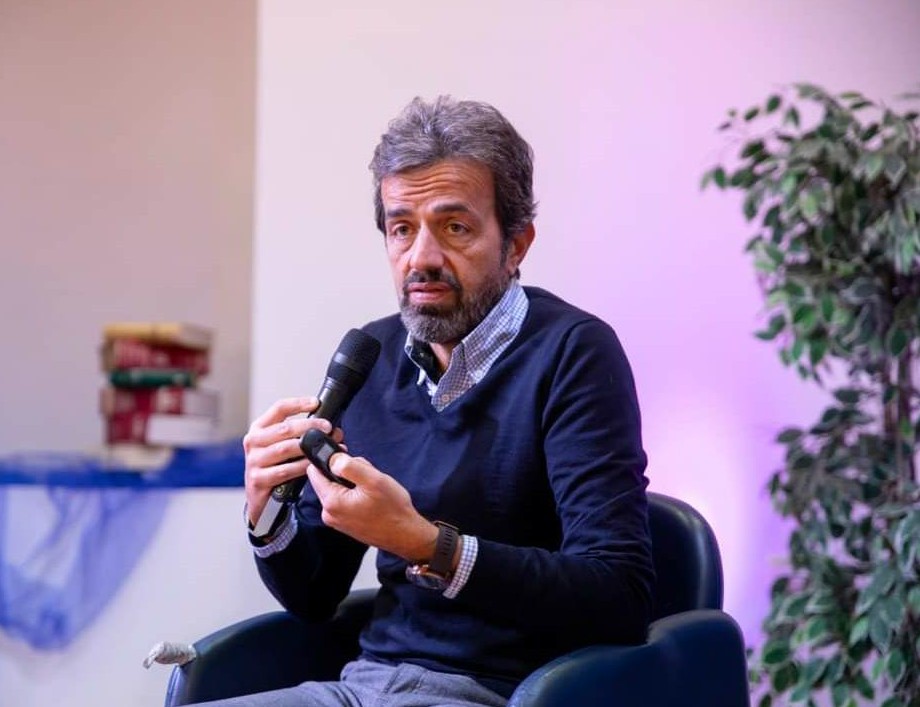
Giorgio Buonanno
Professor Giorgio Buonanno is a Full Professor at the University of Cassino and Southern Lazio. He stands as an internationally renowned expert in air quality, environmental metrology, and the characterization of airborne particulate matter. His extensive academic career reflects an integration of environmental engineering and public health, prioritizing the direct impacts of atmospheric and indoor pollution on human health and well-being. A central pillar of his scientific contribution focuses heavily on the airborne transmission of respiratory viruses and pathogens. Professor Buonanno has pioneered a significant scientific paradigm shift, successfully demonstrating how engineering as a public health tool can directly serve to prevent and mitigate airborne infection risks within enclosed spaces.With more than 200 peer-reviewed papers primarily in top-quartile international journals, his research spans from evaluating industrial plant emissions to developing optimized ventilation strategies for schools, gyms, and public transit. His work firmly establishes engineering design as a crucial mechanism for protecting collective public health.
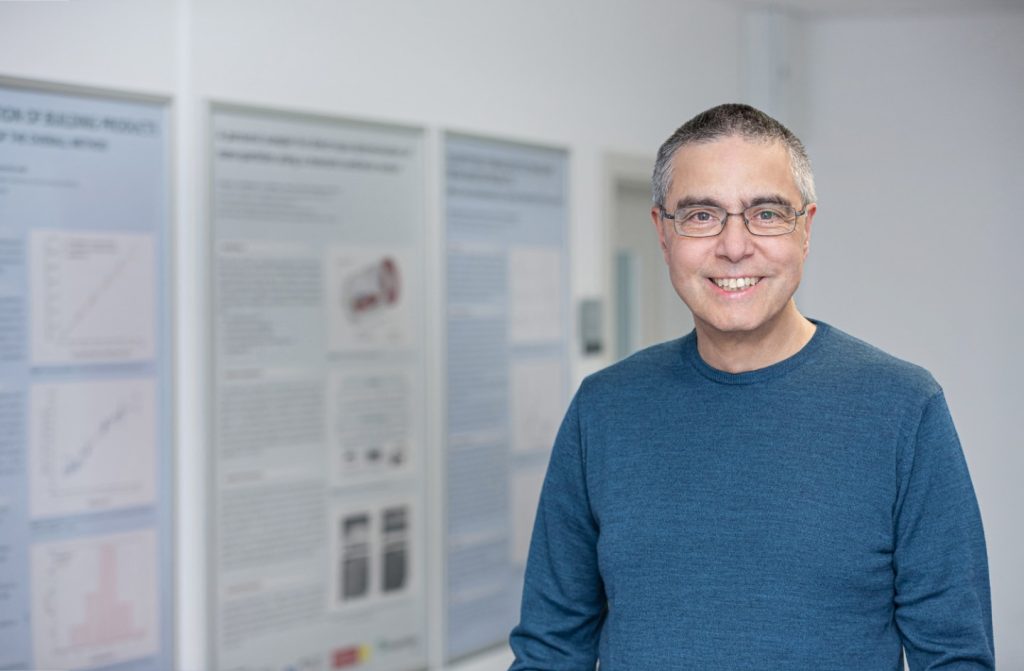
Tunga Salthammer
Tunga Salthammer earned his doctorate in Physical Chemistry from the Technical University of Braunschweig, Germany. He joined the Fraunhofer WKI in 1990 and is the deputy director of the institute. Since 2007, Salthammer has been an Adjunct Professor at the Queensland University of Technology (QUT) in Brisbane, Australia. Following his habilitation, he was appointed Professor at the Technical University of Braunschweig in 2012. Salthammer has been a Visiting Professor at the Technical University of Denmark in Lyngby, Tsinghua University in Beijing and the Central South University of Forestry and Technology in Changsha. He is a member of the Indoor Air Hygiene Commission (IRK) of the German Federal Environment Agency and a guest member of the German Committee on Indoor Air Guide Values (AIR). Since 2008, he has been serving as an elected member of the ISIAQ Academy of Fellows and received the Academy’s Pettenkofer Award in 2020. His research interests focus on analytical chemistry, VOC/SVOC emission studies, indoor chemistry, airborne particles, and settled house dust.
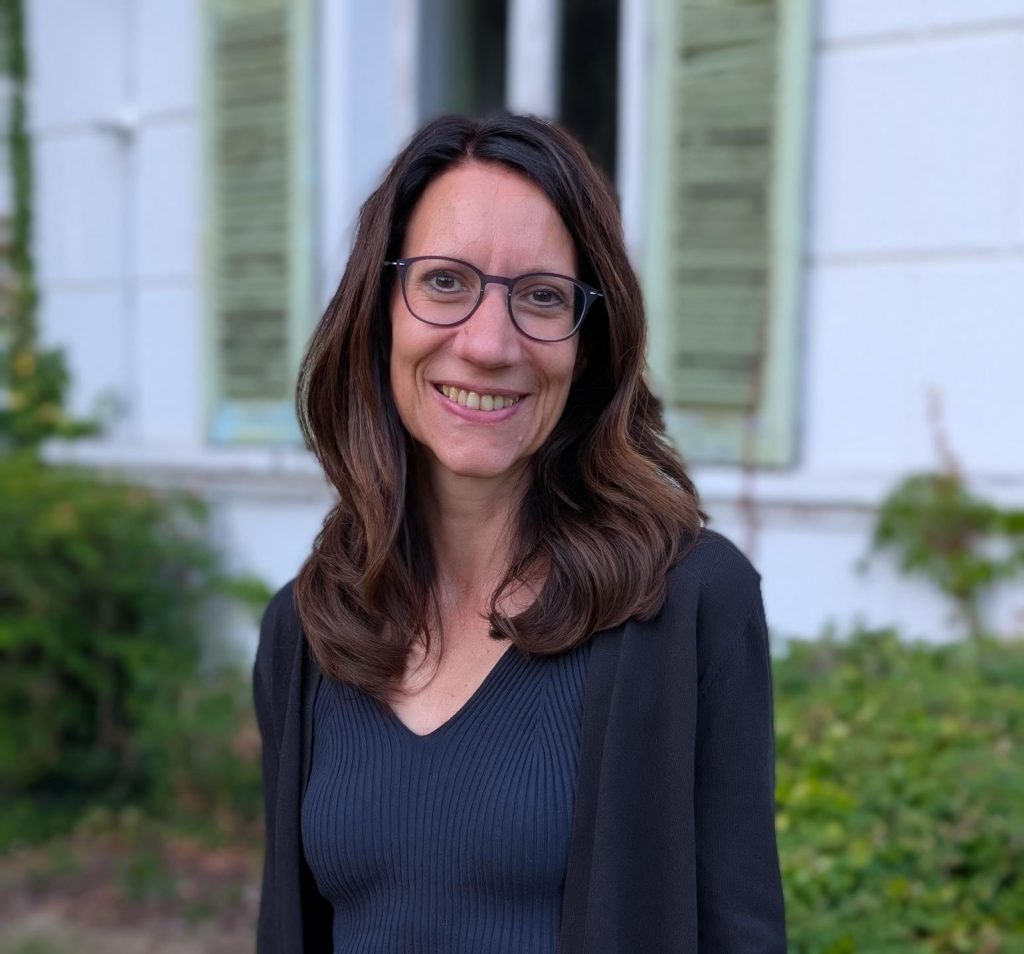
Katrin Vorkamp
Katrin Vorkamp is a Professor of Environmental Chemistry at Aarhus University (Denmark). She obtained her PhD in Environmental Science from the University of Bayreuth (Germany) and has since studied the fate of organic contaminants in the environment. She is particularly interested in human exposure to problematic chemicals, including their exposure sources, pathways, uptake and occurrence in the human body. Her research is based on state-of-the-art analytical chemistry for determinations of both well-known and emerging chemicals, also applying advanced non-target screening techniques for the identification of overlooked and new compounds. She is dedicated to quality assurance/control (QA/QC) of all steps in the chemical analyses, including questions of method harmonization and standardization. Her work on indoor air quality has expanded our knowledge of chemicals present in air and dust. Katrin Vorkamp co-leads the expert group on chemicals in the Arctic, the Danish PFAS Research Centre, and the Environmental and Multi-source Monitoring of the Horizon Europe Partnership for the Assessment of Risks from Chemicals (PARC).
Themes
Conference themes
The 7th Workplace and Indoor Aerosols Conference (WIAC 2027) will bring together leading experts, practitioners, and policymakers to address the most pressing challenges and advances in indoor air quality (IAQ) for workplaces and shared environments. Building on the legacy of previous conferences, the conference will focus on translating scientific evidence into practical solutions that protect health, promote equity, and foster resilience in indoor spaces.
A central theme of WIAC 2027 is the advancement of scientific understanding and methodological rigor in the study of airborne transmission and exposure to indoor pollutants. The conference will highlight the development and standardization of research protocols, the use of advanced risk assessment and modelling tools, and the validation of these approaches with real-world data. By bridging the gap between research and application, WIAC 2027 aims to ensure that scientific insights are both robust and actionable for decision-makers.
Another key focus is the evaluation and implementation of mitigation technologies, including ventilation, filtration, and air cleaning strategies. The conference will explore how these interventions can be integrated and optimized for different settings, while also considering energy efficiency and sustainability. Sessions will address the importance of balancing health protection with climate goals, and the need for context-sensitive, risk-based standards that can be adapted to diverse environments and populations.
WIAC 2027 also emphasizes the critical role of public engagement, effective communication, and policy innovation. The conference will showcase strategies for raising awareness of IAQ as a public good, overcoming barriers to implementation, and ensuring that solutions are accessible and equitable for all. Cross-disciplinary collaboration and the adaptation of tools from engineering, behavioural science, and public health will be encouraged to drive innovation and lasting impact. Together, these themes reflect WIAC 2027’s commitment to advancing healthy indoor environments through science, action, and collaboration.
Conference topics
WIAC 2027 Conference topics are:
- Advancements in Indoor Air Quality Monitoring Technology
- Airborne Transmission of Pathogens and Mitigation Strategies
- Impact of Indoor Air Quality on Health and Well-being
- Global Standards and Regulations for Indoor Air Quality
- Designing Healthy Buildings: Architecture and Engineering Perspectives
- Emerging Contaminants in Indoor Environments (UFP, BC, SOA)
- Community Engagement and Public Awareness in Indoor Air Quality
- Interdisciplinary Approaches to Indoor Air Quality Research
- Innovations in Air Cleaning Technologies and Materials
- Economic and Social Impacts of Improved Indoor Air Quality
- Occupational Exposure and Workplace Air Quality Management
- Lessons from the COVID-19 Pandemic: Enhancing Preparedness for Future Outbreaks
- Indoor Air Quality in Urban vs. Rural Settings
- Behavioral and Lifestyle Factors Influencing Indoor Air Quality
- Data-Driven Approaches to Indoor Air Quality Management
- Connecting indoor and outdoor air quality research
- Regulation of Indoor Air Quality